Shockwave treatment is among the many treatment alternatives for impotence (ED). Though it isn't FDA approved, the science behind this pill-free treatment has been supported by a number of that have actually turned up encouraging outcomes. Shockwave treatment appears to work best for men with vasculogenic ED, which is a capillary condition that impacts blood flow to tissue in the penis. The treatment's effectiveness with other causes of ED remains to be seen. The medical term for shockwave therapy is low-intensity shockwave treatment (Li, SWT). It's a noninvasive therapy that's been utilized in orthopedics for many years to assist heal broken bones, injured ligaments, and injured tendons.
Using targeted high-energy acoustic wave, Li, SWT can accelerate tissue repair and cell development. Erections depend on healthy blood circulation to the penile tissue. Shockwave treatment is viewed favorably as a method of fixing and reinforcing blood vessels in the penis and improving blood flow. Increasing blood circulation to the penis is the very same goal of more traditional ED treatments, such as oral medications, consisting of sildenafil (Viagra) and tadalafil (Cialis). Shockwave treatment is administered with a wand-like gadget put near various areas of the penis. A doctor moves the gadget along parts of your penis for about 15 minutes while it releases gentle pulses.
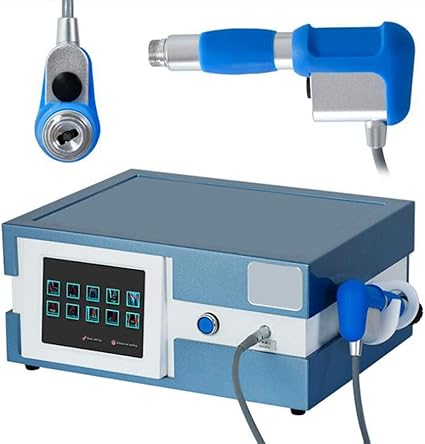
The pulses activate improved blood circulation and tissue improvement in the penis. Both of these changes can result in erections adequate for sex. There's currently no recognized recommendation for treatment duration or frequency. However, a of scientific trials found that the most common treatment plan was two times weekly for 3 weeks, followed by 3 weeks without treatments, and another 3-weeks of twice-weekly treatments. The analysis found that the impacts of shockwave therapy lasted about a year. The same 2019 evaluation and meta-analysis discovered that erectile function substantially improved with shockwave treatment. Outcomes were finest amongst guys with vasculogenic ED. A 2010 pilot research study discovered that amongst 20 guys with vasculogenic ED, all experienced enhanced erectile function after 6 months of shockwave treatment.
In spite of this motivating research study, the Food and Drug Administration (FDA) hasn't approved shockwave therapy as a treatment for ED. Some doctors might still offer shockwave treatment for ED, however utilize beyond a research study setting is considered off-label. FDA approvals for new treatments are constantly accompanied by guidelines for physicians to follow and negative effects to be shown clients. Just like any unapproved treatment, if you select to do shockwave treatment for ED, there might be risks that aren't effectively discussed, or you may be spending money on a treatment that doesn't live up to its guarantees. Furthermore, treatments that have not been approved by the FDA generally aren't more info covered by insurance coverage.
The SMSNA suggests that shockwave therapy only be done under rigorous research protocols. Shockwave therapy is painless for many men. And as formerly stated, readily available research has discovered few, if any, adverse effects. Nevertheless, that does not indicate that the treatment is safe. It's still a fairly new treatment, and more research requires to be done to determine negative effects, issues, and long-term efficiency. Occasional episodes of ED are regular. Tension, absence of sleep, alcohol use, or momentary hormone modifications, to name a few aspects, can make it difficult to preserve an erection. However, if ED ends up being more regular and is affecting your sex life, see your doctor.